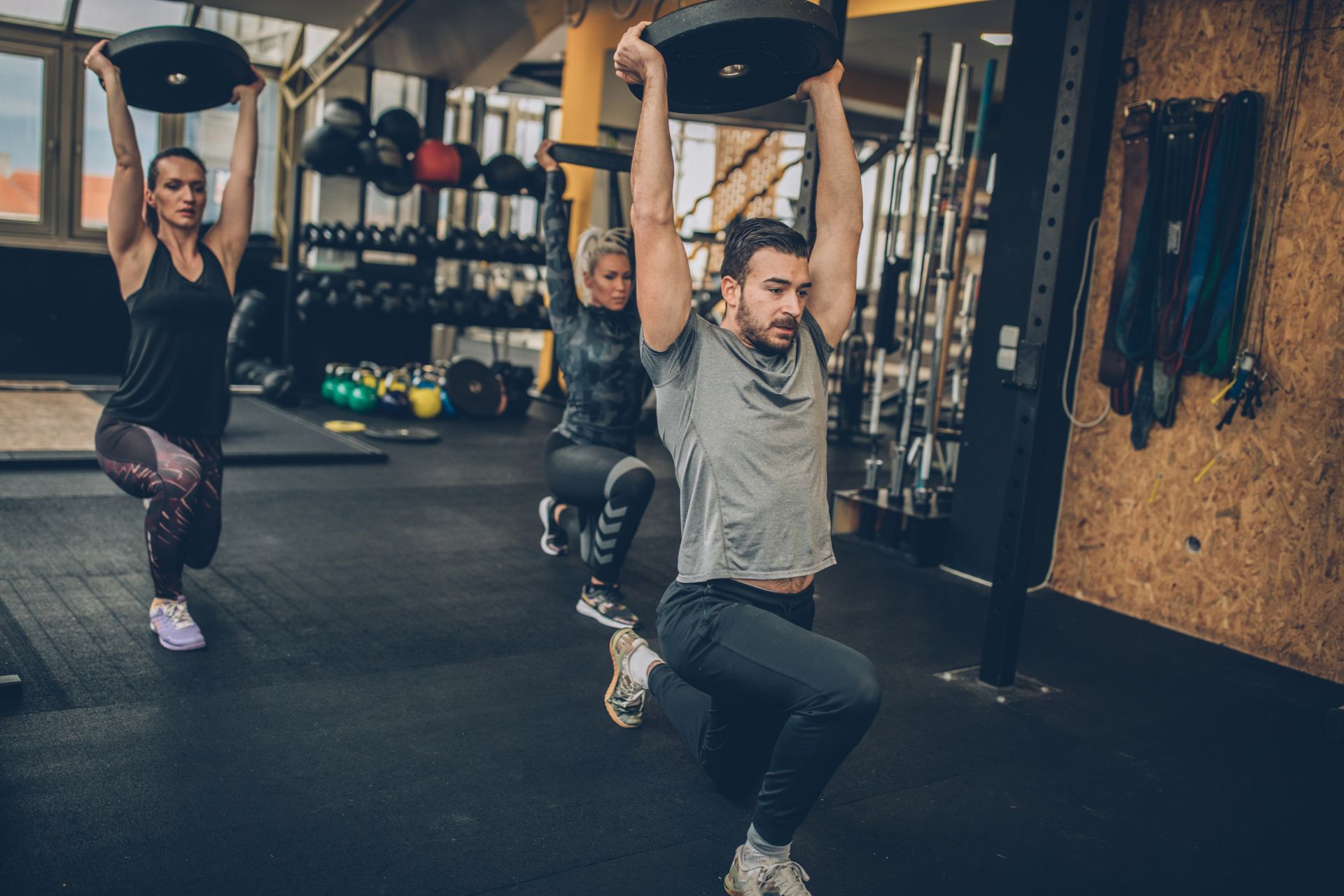
Return-to-Play Assessments After Sports Surgery

Return-to-Play Assessments After Sports Surgery

Return-to-Play Assessments After Sports Surgery are crucial for evaluating an athlete's readiness to resume competition safely. This process ensures that all physical capabilities are restored and risks of reinjury are minimized.

How does the use of objective markers in return-to-play assessments influence decision-making following ACL reconstruction surgery?

The use of objective markers in return-to-play assessments significantly influences decision-making following ACL reconstruction surgery by providing quantifiable data that helps healthcare professionals evaluate an athlete’s readiness to resume sports activities safely. These markers typically include metrics like range of motion, strength measurements, functional movement tests, and performance-based outcomes such as hop tests or agility drills. By utilizing these standardized assessment tools, clinicians can objectively measure recovery progress and identify any deficits that may still exist post-surgery. This approach minimizes reliance on subjective evaluations alone—like the patient’s self-reported pain levels or perceived stability—which can be influenced by psychological factors such as fear of re-injury or impatience for returning to sport. Incorporating these evidence-based parameters into clinical practice allows for more informed decisions regarding when an athlete is physically capable of engaging in competitive play while simultaneously reducing the risk of further injury due to inadequate rehabilitation. Furthermore, it fosters a collaborative environment where athletes are educated about their condition based on tangible results rather than just opinion; this transparency encourages adherence to rehab protocols and instills confidence in the player during their transition back onto the field or court after undergoing surgical intervention for ACL tears. Overall, adopting objective measures enhances not only safety but also optimizes athletic performance upon return from injury through tailored rehabilitation strategies grounded in measurable success criteria.

Effective sports injury treatment through physical therapy can significantly enhance recovery times and improve overall performance. By exploring specialized techniques, individuals can gain insights into tailored rehabilitation methods to prevent future injuries. To learn more about optimizing your recovery process, visit concepts tied to rebuilding strength after surgery

What role do functional movement screenings play in determining readiness for competition after meniscus repair?

Functional movement screenings play a crucial role in assessing readiness for competition after meniscus repair by evaluating the individual's biomechanical patterns, joint stability, and overall functional capacity. These screenings typically include various assessments that measure strength, flexibility, balance, and coordination to identify any limitations or compensatory movements that may arise post-surgery. By focusing on key aspects such as squatting mechanics, single-leg stance stability, and agility drills, healthcare professionals can determine how well an athlete has regained their pre-injury capabilities and whether they are able to perform sport-specific tasks without pain or risk of re-injury. Additionally, these evaluations provide insight into neuromuscular control and proprioception—both essential for optimal athletic performance—highlighting areas where targeted rehabilitation might still be necessary before full return-to-play status is granted. The results from functional movement screenings can also guide personalized training programs aimed at enhancing muscular endurance and cardiovascular fitness while ensuring that athletes maintain proper form during physical activities. Consequently, understanding an athlete's readiness through these comprehensive assessments helps clinicians make informed decisions about when it is safe for them to resume competitive sports following meniscus surgery while minimizing the likelihood of future injuries related to improper biomechanics or inadequate recovery strategies.

In what ways can sport-specific drills be integrated into rehabilitation protocols during post-surgical evaluations for rotator cuff repairs?

Integrating sport-specific drills into rehabilitation protocols for patients recovering from rotator cuff repairs can significantly enhance recovery outcomes and facilitate a return to athletic performance. This approach involves the gradual incorporation of functional movements that mimic the specific demands of an athlete's sport, thus promoting neuromuscular activation, improving proprioception, and restoring strength in targeted muscle groups essential for optimal shoulder function. For instance, baseball players may engage in isotonic exercises focused on internal and external rotation within controlled ranges to rebuild rotator cuff strength while progressively introducing plyometric activities like throwing drills as healing allows. Similarly, tennis athletes might perform shadow swings or modified strokes using lightweight racquets to re-establish proper biomechanics without overloading the repaired tissues. Additionally, incorporating resistance bands during early stages post-surgery can help strengthen scapular stabilizers through dynamic stabilization exercises that simulate overhead motions typical in sports such as basketball or swimming. Furthermore, utilizing aquatic therapy enables low-impact movement patterns which reduce strain on the shoulder joint while facilitating range-of-motion improvement relevant to various sporting actions. By tailoring these drill integrations with careful consideration of each individual’s surgical timeline and their unique physical demands tied to their specific sport—while monitoring pain levels and ensuring adequate rest—the overall efficacy of rehabilitation is enhanced; ultimately leading towards not only successful healing but also a more confident reintegration into competitive activities following surgery.

How is neuromuscular control assessed as part of a comprehensive return-to-play strategy after ankle stabilization procedures?

Neuromuscular control is an essential component of a comprehensive return-to-play strategy after ankle stabilization procedures, as it evaluates the coordination and communication between the nervous system and muscles that are crucial for maintaining balance, proprioception, and functional movement. Assessment begins with a thorough evaluation of joint stability through dynamic stability tests that measure how well an individual can maintain their center of gravity during various activities such as single-leg balances or agility drills. Clinicians often utilize tools like force plates to analyze postural sway and identify any deficits in neuromuscular responses when subjected to perturbations. Additionally, performance on specific strength tests targeting dorsiflexion, plantarflexion, inversion, and eversion movements provides insight into muscle activation patterns around the ankle joint following surgery. Functional assessments may include hopping tasks or shuttle runs designed to quantify power output while monitoring compensatory strategies employed by the athlete due to altered neural pathways from previous injury. Furthermore, visual feedback training can enhance motor learning processes by reinforcing correct movement patterns while minimizing maladaptive ones linked with re-injury risk factors; this includes employing video analysis techniques where athletes observe themselves performing sport-specific motions. Ultimately, integrating these multifaceted assessment methods ensures that clinicians accurately gauge recovery progress through objective measurements before clearing athletes for full participation in competitive sports environments.

What criteria are utilized to evaluate psychological readiness before athletes resume full contact practices post-hip arthroscopy?

Evaluating psychological readiness for athletes to resume full contact practices after hip arthroscopy involves several important criteria that address both mental and emotional aspects of recovery. First, an assessment of the athlete's confidence in their physical abilities is crucial; this includes their self-efficacy regarding movement patterns, strength, and stability post-surgery. Additionally, understanding the athlete’s anxiety levels about re-injury or pain during rigorous activity plays a significant role in determining their preparedness. The use of psychological assessments such as questionnaires can help gauge fear avoidance behaviors and ensure that they have developed effective coping strategies to manage stress associated with returning to competitive sports. Furthermore, communication between healthcare professionals—such as physiotherapists and psychologists—and the athlete is vital for addressing any concerns or misconceptions about their condition while providing reassurance throughout the rehabilitation process. Goal setting also becomes essential; athletes should be encouraged to set realistic performance goals that foster motivation without overwhelming them psychologically. Lastly, assessing social support systems from coaches, teammates, family members, and friends contributes significantly to an athlete's overall mental state by promoting a positive environment conducive for return-to-play decisions following hip surgery rehabilitation protocols.

Frequently Asked Questions

Determining readiness for return-to-play after ACL reconstruction surgery involves a comprehensive assessment of various specific criteria, including functional testing outcomes such as knee stability, strength measurements via isokinetic dynamometry, and range of motion evaluations to ensure full mobility. Athletes must also demonstrate proficiency in sport-specific drills that mimic the demands of their respective activities while exhibiting adequate neuromuscular control and proprioception. Psychological readiness plays a crucial role; therefore, clinicians often utilize validated questionnaires to gauge an athlete's confidence in their knee function post-rehabilitation. Additionally, objective benchmarks like the single-leg hop test or Y-balance test are employed to assess dynamic balance and agility before clearance for competitive participation can be granted. Integration of these multifaceted parameters ensures a holistic approach towards safe reintegration into sports following ACL rehabilitation.

The timeline for post-surgery rehabilitation varies significantly between athletes in team sports and those in individual sports due to differing demands on physical conditioning, skill integration, and psychological factors. Athletes involved in team sports often face a compressed recovery period as they need to reintegrate into complex tactical systems involving coordination with teammates, necessitating an accelerated return-to-play protocol that emphasizes agility training, sport-specific drills, and functional strength assessments. Conversely, individual sport athletes may experience a more personalized rehabilitation timeline focused on their unique performance metrics; these individuals typically engage in tailored physiotherapy sessions aimed at refining specific techniques or enhancing endurance capabilities while also addressing mental resilience through visualization strategies. Additionally, the social dynamics of team reliance can influence motivation levels during recovery periods compared to the self-driven nature observed within solo competitors who might prioritize gradual progression towards peak performance without immediate accountability from others. Overall, these variances highlight how contextual factors shape postoperative rehabilitative approaches across different athletic disciplines.

Psychological assessments play a crucial role in evaluating an athlete's readiness to return to competition following injury by providing insights into their mental resilience, coping strategies, and overall psychological well-being. These evaluations often incorporate standardized measures such as the Sport Anxiety Scale and the Athletic Coping Skills Inventory, which help practitioners assess factors like fear of re-injury, motivation levels, confidence in performance capabilities, and emotional regulation skills. Furthermore, understanding cognitive-behavioral patterns through these assessments allows sports psychologists to tailor interventions that address specific concerns related to athletic identity, stress management techniques, and goal-setting strategies. By examining variables such as perceived social support from coaches and teammates alongside individual psychological traits like self-efficacy and mental toughness, comprehensive assessment can guide rehabilitation protocols while fostering optimal recovery trajectories that align with competitive demands.

Before an athlete is cleared to resume full-contact practice following shoulder surgery, a series of standardized functional tests must be meticulously completed to assess strength, range of motion, stability, and overall functionality of the affected shoulder. These assessments often include rotator cuff strength evaluations using resistance bands or weights, dynamic stabilization exercises that test proprioception and neuromuscular control, as well as overhead activities to gauge the athlete's ability to perform sport-specific movements without pain or instability. Additionally, measurements for passive and active range of motion are critical in determining whether adequate recovery has occurred post-surgery. The use of objective scoring systems such as the Shoulder Instability Score (SIS) may also play a role in evaluating readiness for contact sports by providing quantifiable data on joint integrity and muscular endurance. Ultimately, passing these rigorous criteria ensures that athletes not only regain their pre-injury capabilities but also minimize the risk of re-injury during high-impact athletic endeavors.

Sport-specific drills during rehabilitation significantly enhance the outcomes of return-to-play assessments by facilitating a more targeted recovery process that aligns with an athlete's unique physical demands and skill requirements. By incorporating tailored exercises that mimic game scenarios, these drills promote neuromuscular adaptations, improve proprioception, and increase functional strength specific to the sport in question. This specificity not only accelerates healing by engaging relevant muscle groups but also builds confidence through familiar movement patterns essential for performance. Furthermore, integrating cognitive components into these rehabilitative activities helps athletes develop decision-making skills under pressure while reducing anxiety associated with reinjury risk. As a result, comprehensive evaluations can demonstrate improved readiness levels when assessing factors such as agility, endurance, coordination, and psychological resilience—ultimately supporting safer transitions back to competitive play.
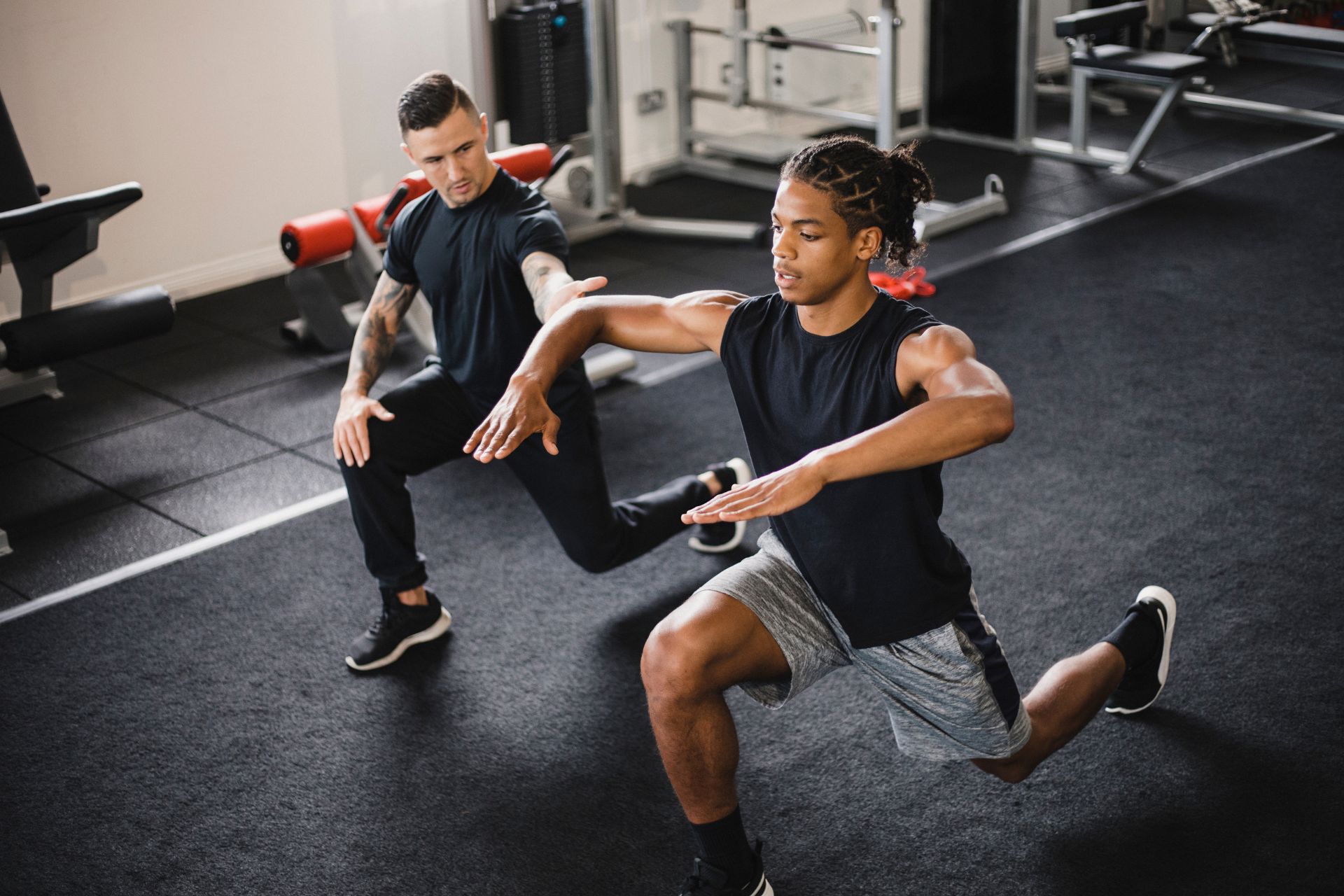
Return-to-Play Assessments After Sports Surgery

Return-to-Play Assessments After Sports Surgery

Contact Us

Alpine Physical Therapy and Fitness

  • Address: 3130 Alpine Rd Suite 370, Portola Valley, CA 94028
  • Phone: (650) 242-0777
  • Email: alpineptfit@mail.com

© Copyright - All Rights Reserved